
Texas Wedding Photography Trends Couples Are Choosing in 2026
Victoria Garcia
February 9, 2026
February 9, 2026
2026 couples aren’t asking for perfect anymore. They’re asking for something that feels real.
Across Texas, we’re seeing a shift toward weddings that feel lived-in, emotional, and immersive; days that prioritize connection over performance, presence over posing. Photography is following suit, leaning into storytelling, movement, and atmosphere, with less stiff poses, more room to just be in the moment.
These are the wedding photography trends Texas couples are choosing in 2026, and what they actually look like when you’re living them.

“Real Over Perfect” Documentary Coverage
More couples are choosing photographers who observe more than they direct, so they can stay present instead of performing for the camera.
Instead of pausing the day for constant posing, documentary wedding photography makes space for unprompted reactions, layered moments happening all at once, and emotional in-between beats you don’t realize matter until later. It’s about letting the story unfold naturally, without interrupting it every few minutes.
This style works especially well for Texas weddings, where timelines tend to breathe, guest lists are big, and the energy carries from the first hug to the last dance. When the day flows, the photographs do too.
Why do couples love it? The gallery feels like a memory – not a photoshoot.
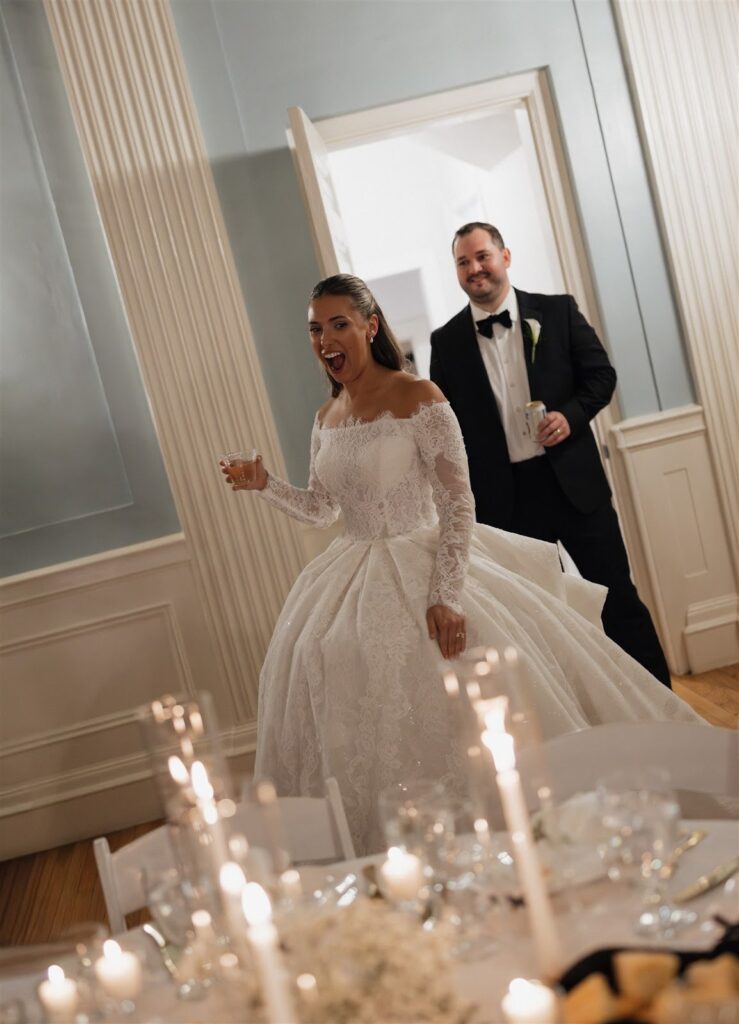
Intentional Motion Blur (a.k.a. Messy Magic Shots)
Motion blur isn’t a mistake anymore, it’s a choice.
In 2026, photographers are leaning into blur to capture moments that don’t want to sit still: movement on the dance floor, spontaneous hugs, quick exits, and laughter that happens mid-step. These images feel alive because they are.
Texas weddings, especially outdoor and ranch-style celebrations, naturally lend themselves to this kind of kinetic storytelling. The wide-open spaces, the movement, the way people gather and celebrate all at once.
Think twirling dresses, boots in motion, laughter caught mid-step.
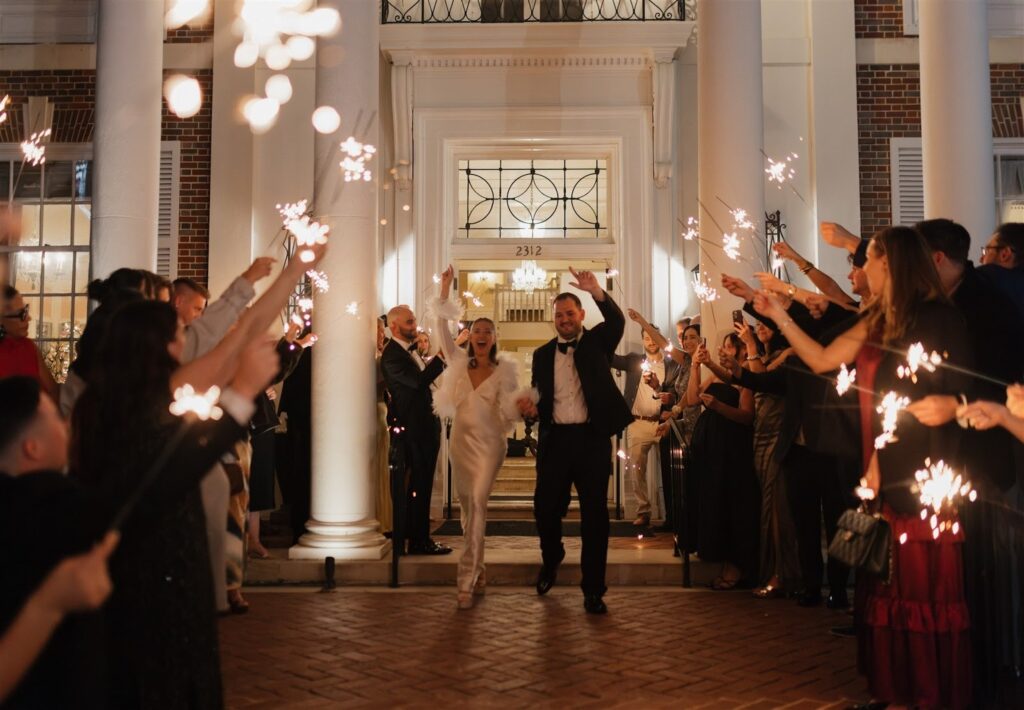
Direct Flash & After-Party Coverage (Nightlife Vibes are back)
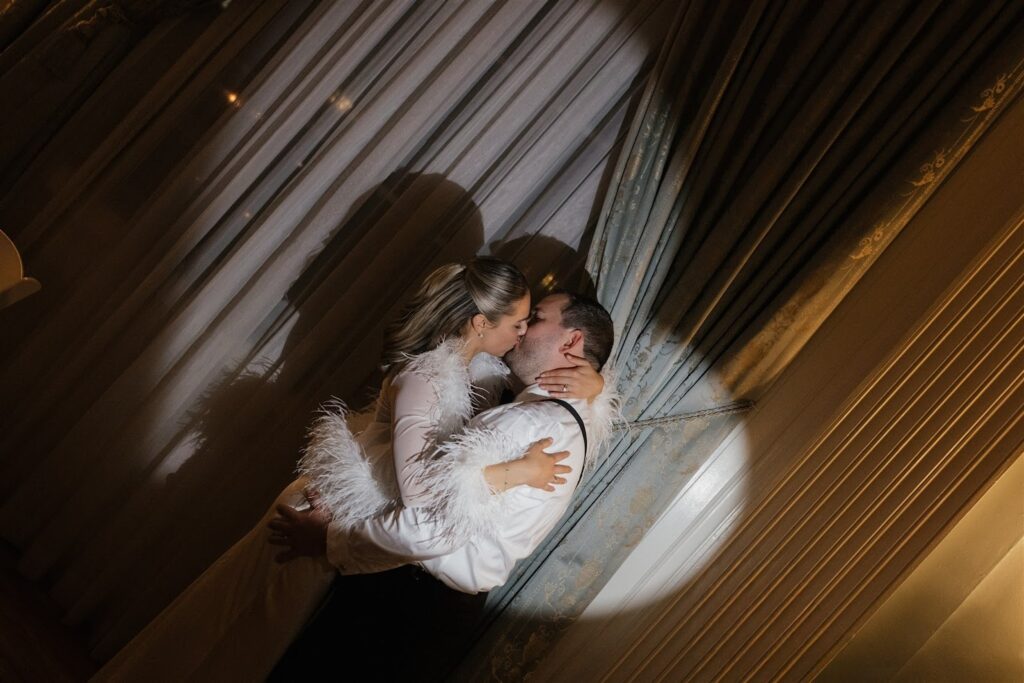
Direct flash photography has officially reclaimed its place, and couples are loving how it feels.
This style brings high contrast, punchy light, and an unmistakable late-night energy to wedding galleries. It’s most often used during receptions and exits, where the mood shifts from composed to carefree.
Direct flash works beautifully in Texas venues with dark wood interiors, string lights, patios, and neon signage – adding a sharp tonal shift that mirrors how the night actually feels once the formalities fall away.
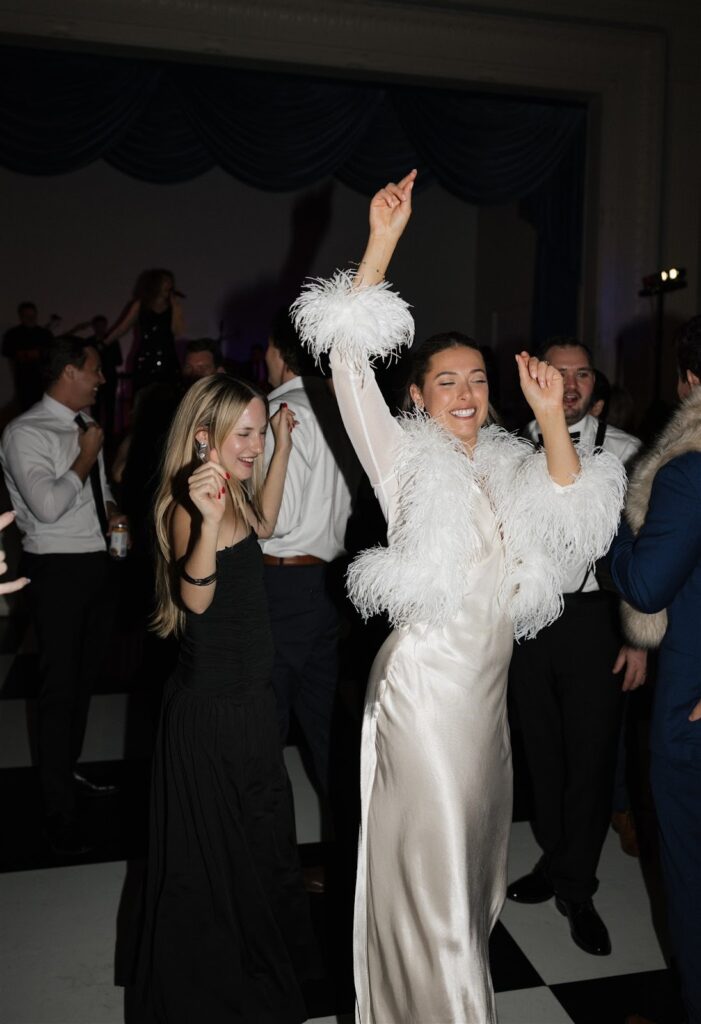
Documentary & Editorial Hybrid (Candids, but make it fashion)
Couples aren’t choosing between editorial and documentary anymore – they want both, without losing themselves in the process.
This hybrid approach blends clean composition and thoughtful framing with real emotion and natural movement. Instead of rigid posing, photographers guide gently and let couples move naturally, creating images that feel elevated without ever feeling forced.
The result is a gallery that looks intentional and refined, while still feeling honest and deeply personal.

Film or Film-Inspired Nostalgia (without losing the colour)
Film photography and film-inspired edits continue to be a favorite in 2026, but with a noticeable shift toward truer-to-life color.
Couples are drawn to softness and grain, warmth and nostalgia, colors that still look like their venue, their light, and their day. It’s less about heavy stylization and more about preserving atmosphere in a way that feels timeless.
Texas landscapes lend themselves beautifully to this balance, whether it’s Hill Country stone, desert tones, coastal pastels or wide-open skies warmed by the sun.

Hybrid Photo & Video Coverage
More couples are drawn to photography that includes motion elements alongside still images.
Short video clips, subtle movement, and social-ready highlights allow couples to relive their day through sound, motion and emotion – not just still frames in a gallery. This approach reflects how couples actually relive their day – through movement, sound, and emotion.
It’s not about replacing still images. It’s about expanding how the story is told.
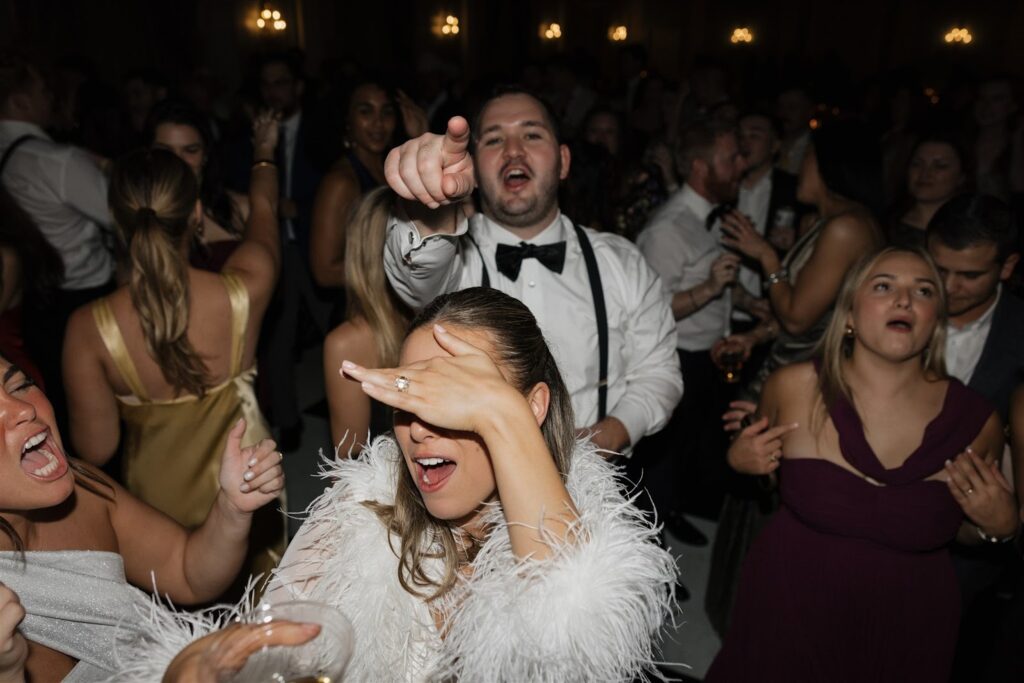
Blur & Flash: The Modern Party Signature
One of the most recognizable looks of 2026 is the combination of intentional blur and direct flash.
This style captures chaos in the best way – movement layered with clarity, moments that feel cinematic, alive, and completely unplanned. You’ll often see it on packed dance floors, during grand entrances, or in spontaneous late-night portraits when everyone has fully settled into the celebration.
These images don’t try to calm the energy. They honor it.
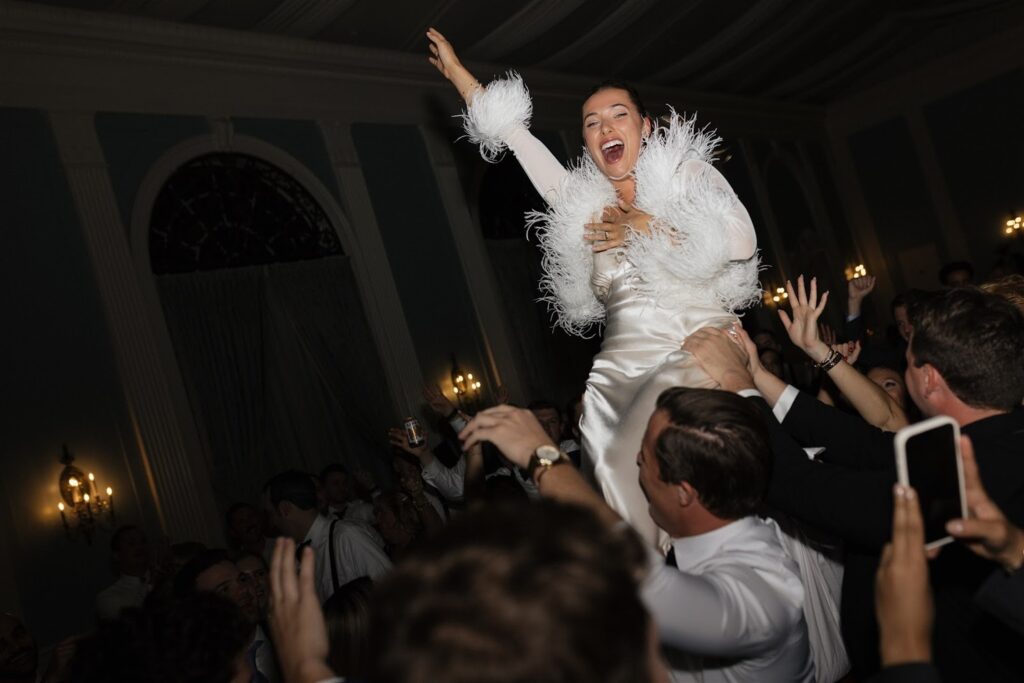
Experience First Weddings Shape Photography
Weddings in 2026 are designed as experiences, not performances – and photography is shifting to meet that energy.
With longer celebrations, interactive moments, and more guest involvement, photographers are prioritizing broader coverage and deeper storytelling. Texas weddings, known for their hospitality and communal feel, naturally support this approach.
The focus is less on controlling every moment and more on documenting how it all feels as it unfolds.

Faster Previews and Social Ready Highlights
Couples don’t want to wait weeks to reconnect with the feeling of their wedding day.
Quick previews and thoughtfully curated highlight sets have become an expected part of the experience in 2026. This isn’t about rushing – it’s about connection, while the emotions are still close and familiar.
Being able to revisit those first memories shortly after the day ends helps keep the story alive.
Guest Focused Moments and Portrait Sessions
Photography is expanding beyond just the couple.
More weddings now include intentional space for family groupings, guest portraits, and relaxed interactions throughout the day. These moments often become some of the most meaningful images; capturing relationships, laughter and shared history.
In Texas, this might look like porch portraits, ranch-gate moments, or quiet conversations under string lights once the sun goes down.

The biggest wedding photography shift in Texas for 2026 isn’t a style – it’s a mindset.
Couples are choosing photography that honors how the day felt, values emotions over perfection, and tells a story they’ll want to return to years from now. It’s about being present, trusting the moment, and letting the memories take shape as they naturally would.
That’s not a trend. That’s timeless.

POST COMMENTS